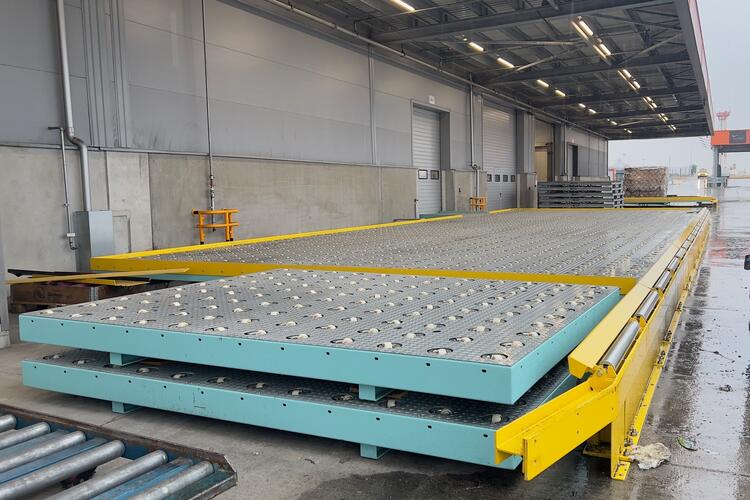

DIMOS is moving ahead with the expansion of a cargo site at Budapest Airport. Following an initial order in 2024, which included castor decks and other equipment, the second phase of the project is scheduled to begin in summer 2026. As part of this next phase, DIMOS will deliver and integrate truck docks, castor decks, and specially engineered system components for the cargo terminal. The company’s scope of work includes consulting, layout design, and on-site construction management, as well as installation, commissioning, and after-sales support. Expansion measures will be implemented in both the warehouse and adjacent outdoor areas. The decision to move forward with Phase 2 was driven by the quality and flexibility of the system design, along with the reliable execution of the first project phase.
Working alongside an international cargo handling service provider, DIMOS is supporting the continued development of the cargo operation at Budapest Airport. The initial 2024 order, which included castor decks along with additional mobile and stationary equipment, will now be followed by Phase 2 beginning in summer 2026. As the system provider, DIMOS is responsible for the planning, retrofit, and integration of the equipment into ongoing operations. The project focuses on robust, reliable solutions for outdoor use and seamless connectivity with internal material handling flows.
At the Budapest site, DIMOS is combining truck docks and castor decks with specially engineered system components to support key air cargo processes from landside to airside. During the first phase, existing systems were analyzed, expanded, and brought into operation. Phase 2 builds on that foundation and increases capacity within the existing infrastructure.
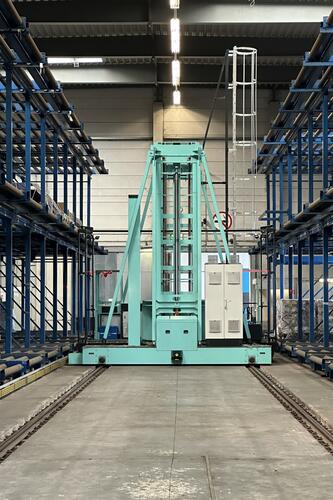
DIMOS’s scope includes consulting, concept development, and layout design, as well as construction planning and supervision, installation, commissioning, and ongoing support. The company works across multiple operational areas, from the outdoor space in front of the facility to internal logistics processes inside the terminal. By providing mechanics, controls, and service from a single source, DIMOS reduces interfaces and streamlines implementation. This approach helps ease bottlenecks at narrow loading bays, reduce maneuvering times, and make more efficient use of available space.
The decision to proceed with Phase 2 is based on the results achieved during Phase 1. Key factors include the proven quality of the equipment, its high operational availability in day-to-day use, and growing demand in the air cargo market. DIMOS designs its systems for long-term uptime, predictable maintenance, and stable 24/7 operations-critical requirements for a European hub with seasonally fluctuating volumes.
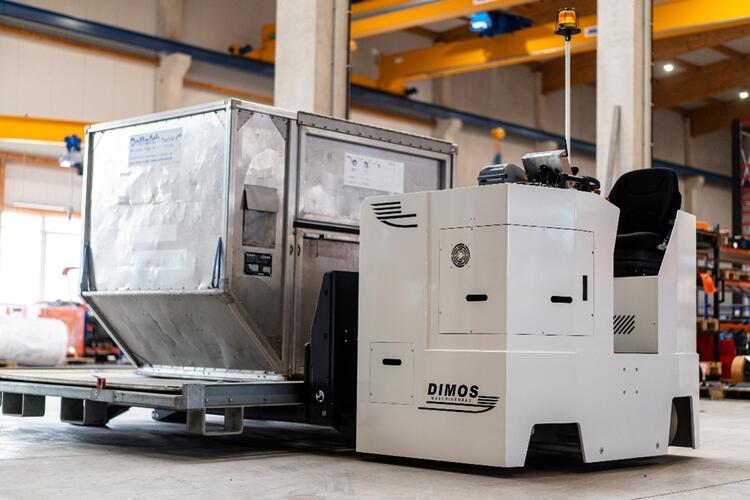
“Phase 1 showed that robust technology and clean process integration make all the difference,” said Pascal Schütz, Managing Director of DIMOS. “For Budapest, we are combining stationary equipment such as truck dock systems with mobile conveyor technology like the Pallet Mover and castor deck areas. This ensures the site can continue operating reliably even under changing load conditions while scaling capacity in line with demand.”
With Phase 2 set to begin in summer 2026, DIMOS is further strengthening Budapest as a flagship reference project. The expansion of the existing site, including the integration of truck docks, castor decks, and additional specialized system components, will create additional ULD capacity, reduce throughput times, and support reliable 24/7 operations. Planning, implementation, and service will all be managed through a single point of contact across the full system lifecycle.